
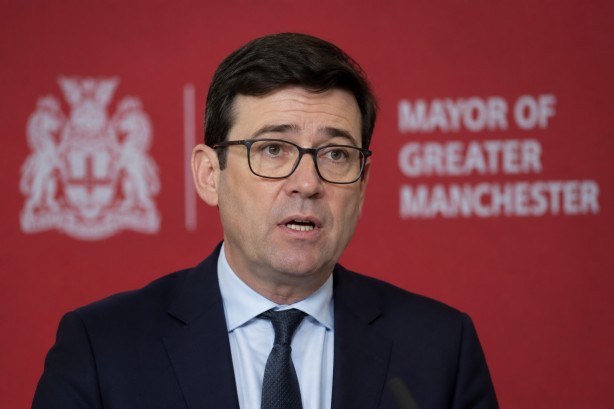
British Prime Minister Andy Burnham is set to foster stronger ties with the European Union through his domestic economic policies, while firmly steering clear of any attempts to rejoin the EU or reignite the Brexit discussions. His approach reflects an acknowledgment of the economic challenges posed by Brexit, yet he remains focused on healing national divides rather than revisiting the contentious issue of EU membership.
European leaders have responded positively to Burnham’s rise to leadership, with European Commission President Ursula von der Leyen, French President Emmanuel Macron, and German Chancellor Friedrich Merz expressing optimism for bolstered UK-EU relations. Burnham’s administration is concentrating on several key areas: enhancing domestic manufacturing, promoting regional development, advancing artificial intelligence, ensuring energy security, and upgrading digital infrastructure. These priorities align closely with the EU’s strategic emphasis on industrial resilience, technology advancement, and supply chain fortification.
In the upcoming period, the UK and EU are anticipated to conclude agreements aimed at streamlining trade processes for food products, integrating carbon emissions trading systems, and establishing a youth mobility scheme for individuals aged 18 to 30. These initiatives indicate a pathway towards practical collaboration without revising the foundational post-Brexit relationship between the UK and the EU.
Specialists suggest that Burnham’s focus on economic growth and regional investment could naturally lead to more substantial cooperation with the EU. This collaboration may manifest through shared industrial projects, technology partnerships, and initiatives that secure supply chains. Such efforts would enhance bilateral cooperation, reflecting a pragmatic approach to fostering economic ties while respecting the current political framework post-Brexit.