
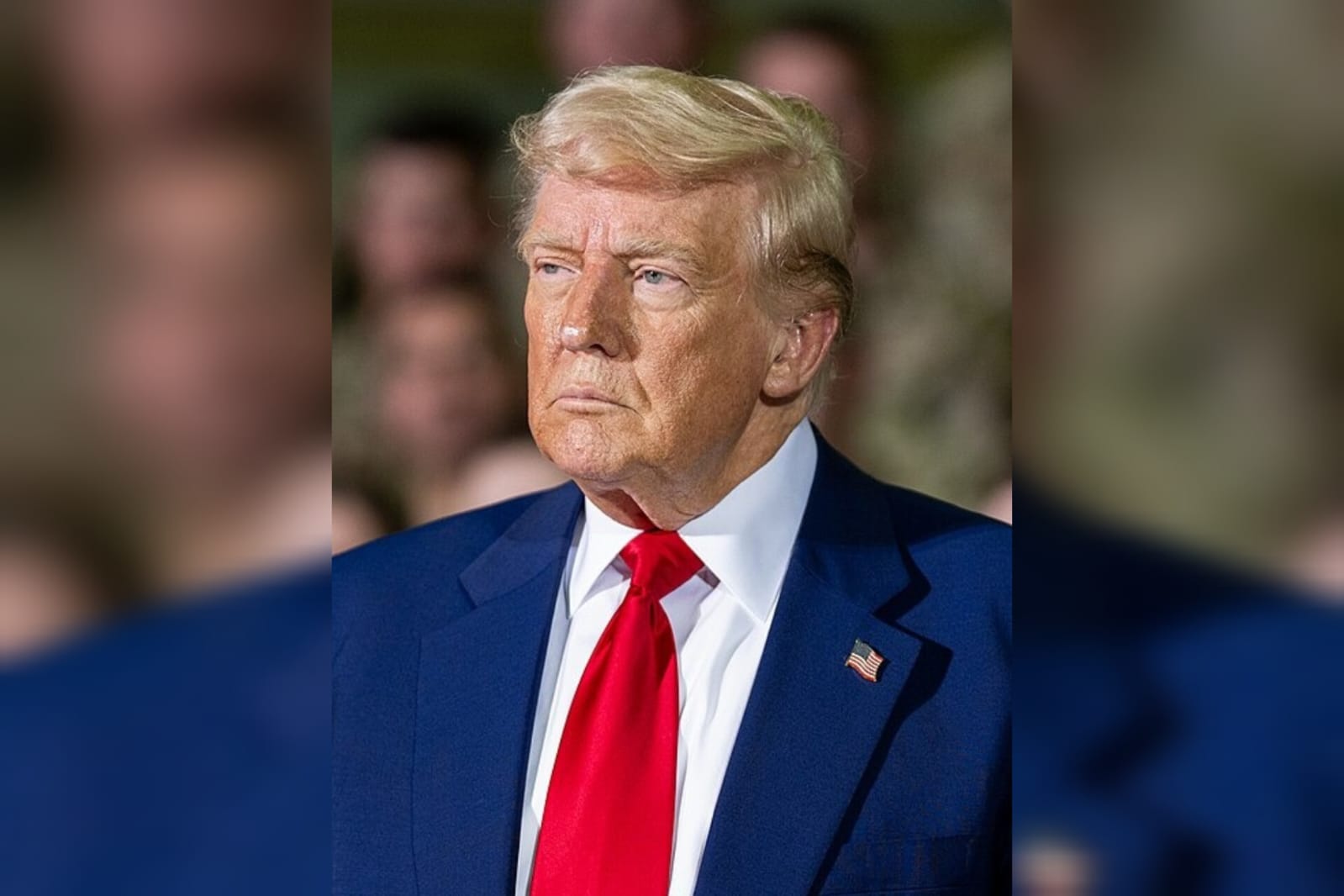
During the G7 Summit in France, U.S. President Donald Trump expressed skepticism about the status of ongoing negotiations with Iran, indicating that discussions have not yet resulted in a conclusive agreement. He emphasized that the talks remain at the memorandum of understanding stage and cautioned that military action could be reconsidered if Iran fails to meet U.S. expectations. Trump warned that military strikes, including “dropping bombs,” could be on the table should Tehran not adhere to the anticipated commitments.
Trump’s latest remarks contrast with earlier optimistic statements at the summit, where he described the negotiations as potentially leading to a “powerful document” and implied progress towards a significant diplomatic breakthrough. These conflicting messages have injected uncertainty into the diplomatic efforts aimed at easing regional tensions.
The proposed negotiation framework aims to initiate a 60-day period focused on addressing Iran’s nuclear program and broader regional security concerns. However, crucial details remain unresolved, and the outcome hinges on continued dialogue between the U.S. and Iran. The mixed signals from President Trump underscore the fragile nature of these negotiations, where diplomatic progress and the looming threat of military action are both influential factors.
Despite the political unpredictability, financial markets have responded positively to the prospect of reduced tensions, with a decrease in oil prices reflecting expectations of improved global supply conditions. Some indications suggest that oil flows are partially resuming after recent disruptions, although the situation remains dynamic and subject to change.
Analysts note that the dual messaging coming from the U.S. President highlights the delicate balance in the current U.S.–Iran relations, where both diplomatic and military strategies are at play as negotiations continue to evolve.