
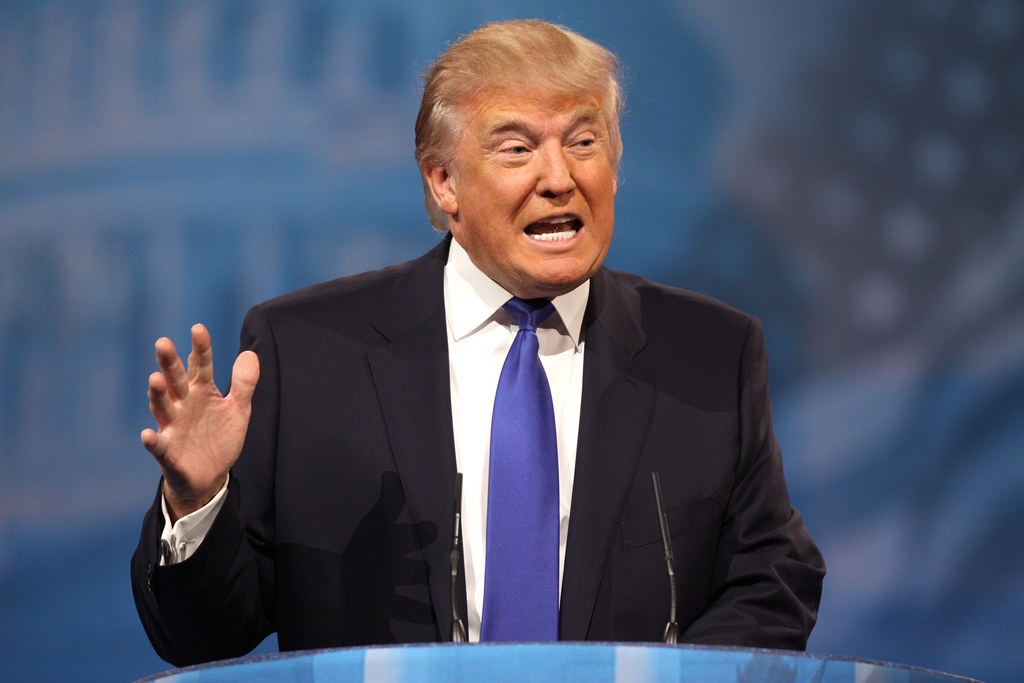
The US president used his World Economic Forum platform to maintain focus on acquiring Greenland while explicitly ruling out military conquest. Donald Trump’s speech demonstrated his administration’s unwavering determination to bring the Arctic territory under American control through economic and diplomatic pressure, even as he attempted to address international concerns about potential armed action against a NATO ally’s sovereign possessions.
Trump’s justification for seeking Greenland emphasized national security imperatives and strategic competition in the Arctic region. He argued that the island’s position between major powers makes it essential for American defense and that current arrangements under Danish sovereignty cannot adequately protect American interests from Russian and Chinese influence. The president’s proposed missile defense infrastructure would allegedly require ownership rather than cooperative agreements.
European officials acknowledged Trump’s commitment to peaceful methods while stressing that territorial disputes remain unresolved. Denmark’s foreign minister noted that Trump’s underlying ambitions are intact despite his pledge against invasion, while former NATO Secretary General Stoltenberg acknowledged addressing widespread fears about armed conflict. The measured reactions demonstrated European awareness that Trump’s Greenland campaign continues despite tactical rhetoric adjustments.
Trump’s announcement about postponing tariffs against eight European countries appeared designed to claim diplomatic victory without requiring immediate concessions. He characterized talks with NATO Secretary General Rutte as yielding a framework for Arctic security arrangements, though the vagueness of this supposed agreement and lack of confirmation from key parties suggested limited substantive achievements. The opacity raised questions about whether Trump was overstating progress to justify retreating from tariff threats.
Beyond Greenland, Trump’s address featured criticism of European energy policies, immigration practices, and defense spending while promoting American nationalism. He attacked renewable energy, defended fossil fuels, questioned whether NATO allies would defend the United States, mocked European military capabilities, and deployed rhetoric about Western civilization. The speech drew criticism from Democratic officials who dismissed it as insignificant and concern from some Republicans troubled by Trump’s approach to indigenous Greenlanders.