
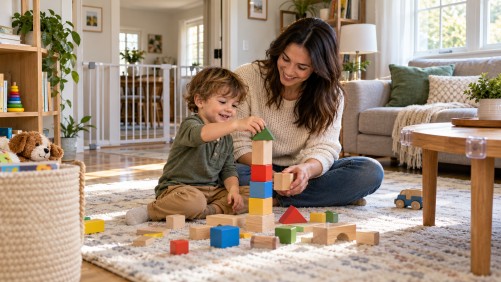
Creating a healthier and safer home environment for children involves making simple yet effective changes within the household. Given that children spend a significant amount of their early years at home, these adjustments can play a crucial role in supporting their overall health and wellbeing.
Improving indoor air quality is one of the first steps parents can take. Dust, cooking smoke, and strong fragrances can negatively impact air quality. To mitigate this, parents should ensure that kitchens are well-ventilated, perhaps by using an exhaust fan during cooking, and regularly clean dusty surfaces. Additionally, allowing fresh air into the home when outdoor pollution levels are low can significantly enhance indoor air quality.
Safety also extends to the storage of cleaning products. These household items, while necessary for maintaining hygiene, can be dangerous if accessible to children. It’s advisable to keep detergents, disinfectants, and pesticides in their original containers and store them securely out of reach. Mixing different cleaning chemicals should be avoided as well, as some combinations can release harmful fumes.
Establishing a healthier food environment is another important aspect. Children are more inclined to consume foods that are readily available at home, so parents should keep nutritious options like fruits, vegetables, pulses, and whole grains accessible. Limiting sugary drinks, packaged snacks, and highly processed foods can also contribute to better health outcomes. Ensuring good hand hygiene, clean drinking water, and proper food storage are additional measures that can help reduce the risk of infections.
Maintaining healthy sleep habits is vital for children’s growth and learning. Bedrooms should be quiet and comfortable at night, with reduced screen exposure before bedtime to promote better sleep. Consistency in sleep and wake schedules can further aid in developing healthy routines for children.
Lastly, parents should be vigilant about hidden household hazards. Items like medicines, batteries, sharp objects, and small items that could be swallowed should be kept out of children’s reach. Moisture-prone areas need attention as dampness can lead to mold growth. Ensuring good ventilation in these areas can prevent such issues and improve overall home safety.
While it may not be possible to eliminate all risks, implementing small and consistent changes can significantly enhance the living environment for children. By focusing on clean air, safe storage, nutritious food, good hygiene, and healthy routines, parents can create a stronger foundation for their children’s wellbeing.