
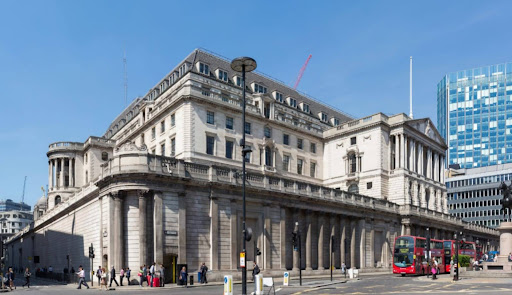
UK policymakers face what some analysts are describing as a lose-lose scenario following the Bank of England’s decision to hold rates at 3.75% and warn of potential rate hikes driven by the Iran war’s energy price impact, even as the domestic economy slows. The monetary policy committee voted unanimously to hold on Thursday, but the dilemma it faces is stark: raise rates to combat energy-driven inflation and risk deepening the economic slowdown, or hold to protect growth and risk allowing inflation to become entrenched. Either path carries significant costs.
The lose-lose framing reflects the supply-side nature of the inflation shock. When prices rise because of a geopolitical disruption to energy markets, rather than because of excess domestic demand, raising interest rates reduces inflation primarily by reducing economic activity and employment — the very opposite of what the domestic economy needs. The Bank cannot stimulate supply by changing rates, so its tools work only through the demand side, at real cost to growth and jobs.
Governor Andrew Bailey implicitly acknowledged the dilemma by emphasising the importance of resolving the conflict and restoring energy supply lines as the most effective solution to the inflation problem. He said the Bank’s monetary tools would be used only to the extent necessary to keep inflation anchored, suggesting an awareness of the costs of the alternative. His preference for a targeted rather than aggressive response was evident in his cautioning of markets against strong hike expectations.
Financial markets appeared unconcerned by the lose-lose dilemma, pricing in rate hikes in June and later in the year. UK gilt yields rose, the FTSE 100 fell, and the pound strengthened against the dollar as traders focused on the inflation risk rather than the growth cost. Analysts noted that the market was effectively demanding that the Bank prioritise price stability over growth, regardless of the dilemma this creates.
For UK households and businesses, the lose-lose scenario creates a difficult planning environment. Whether the Bank chooses to tighten into a slowing economy or hold and risk higher inflation, the outcome involves real economic costs. The political management of those costs, and the communication of why they were unavoidable, will be among the most important tasks facing both the Bank and the government in the months ahead.