
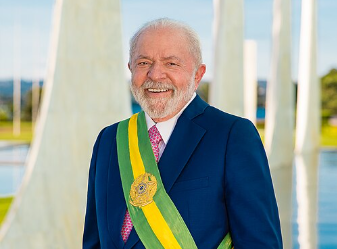
Brazilian lawmakers have approved legislation that would substantially reduce prison sentences for those convicted in the 2022 coup attempt, moving forward despite clear public opposition. The bill passed the senate late Wednesday after receiving lower house approval, setting up a confrontation with President Lula da Silva, who has vowed to veto it. Former President Jair Bolsonaro would see his 27-year sentence dramatically reduced under the new legislation.
Public opinion polling has consistently shown that most Brazilians oppose reducing sentences for individuals who participated in attempts to overthrow democratic institutions. Despite this clear signal from constituents, the conservative-majority congress has moved forward with the legislation. This disconnect between popular sentiment and legislative action raises questions about the responsiveness of Brazilian democratic institutions to public preferences.
The practical effects of the legislation are significant, with legal experts calculating that Bolsonaro’s minimum time in maximum-security confinement could fall from six years to approximately two years. This reduction is achieved through a mechanism that consolidates sentences for related crimes while counting only the most severe offense. Additional credits for good behavior and educational activities would further reduce the actual time served.
Bolsonaro currently resides in a special cell at federal police headquarters, where security protocols accommodate his high-profile status. His legal team is working to secure authorization for medical treatment, specifically surgery to address a hernia condition. The family has publicly celebrated the bill’s passage while acknowledging it doesn’t provide the complete amnesty they had originally sought.
The legislation provides sentence reductions for all individuals convicted in connection with the coup attempt, including military officers and civilian rioters. This comprehensive application has troubled democracy advocates who viewed the original convictions as important precedents for holding powerful figures accountable. The gap between public opinion and congressional action on this issue may have significant implications for future electoral contests and public trust in democratic institutions.