
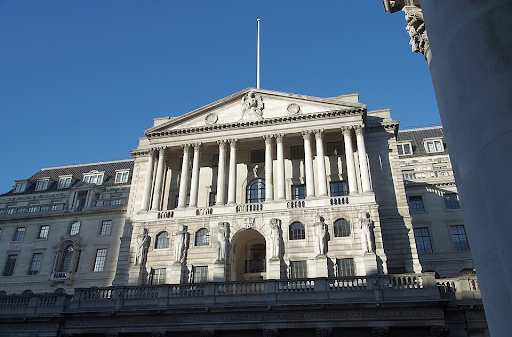
In its detailed analysis accompanying the rate cut to 3.75%, the Bank of England pointed to a series of “one-off shocks” that have complicated the economic picture. These shocks, ranging from the government’s National Insurance hike to fluctuations in global commodity prices, were cited as key reasons why inflation hasn’t fallen faster and why growth has stalled.
The identification of these shocks serves two purposes. First, it explains why the Bank has been slow to cut rates until now—they were waiting for the dust to settle. Second, it provides a convenient excuse for why the economy is shrinking (GDP down 0.1% in October). By labeling these events as “one-off,” the Bank is expressing hope that their negative effects will fade in 2026.
However, critics argue that what the Bank calls “shocks” are becoming the new normal. Fiscal policy changes and global instability are constant features of the 2020s economy. If the Bank is constantly waiting for a shock-free period to set policy, it may never act. The five members who voted to cut decided to look past the shocks and focus on the underlying trend of weakness.
The “one-off” label also applies to the good news. The fall in inflation was partly helped by “weaker food prices,” which can be volatile. If a bad harvest reverses this trend, the shock works the other way. The Bank is trying to filter out this noise to find the true signal of the economy’s health.
For businesses, the lesson is resilience. The Bank is effectively saying that the road will be bumpy and filled with potholes (“shocks”). The rate cut is a bit of better suspension for the car, but it won’t stop the road from being rough.